

What Are the Most Common Mistakes Beginner UK Smallholders Make?
What Are the Most Common Mistakes Beginner UK Smallholders Make? The biggest smallholding mistakes beginner UK smallholders make are usually not dramatic, they are planning, power, water, legal and workload problems that compound over time. Start smaller than your dream, design for a wet British winter, establish the infrastructure first, and check planning law before spending serious money.
Looking for more practical advice on off-grid living and self-sufficiency? Explore the Homes Off Grid Reading Room for more guides, ideas and inspiration.
Underestimating UK Winter Energy Deficit and Cold/Damp
One of the most common off grid living pitfalls UK beginners encounter is designing an energy system around summer performance.
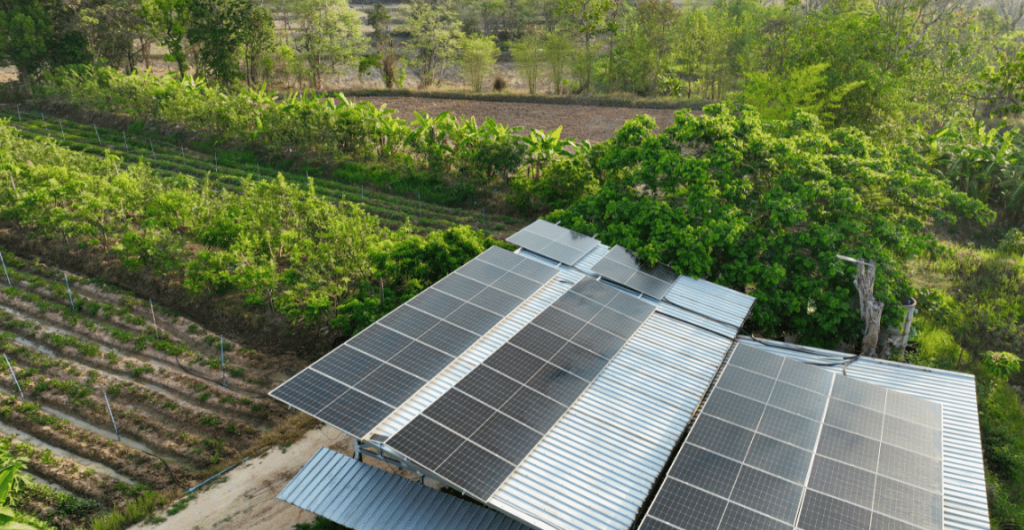
Solar PV can produce very well during long summer days, but December and January are a different proposition. Short daylight hours, cloud cover and low sun angles can dramatically reduce generation, while your demand often increases for lighting, pumping, refrigeration and heating.
A system that feels generous in July can leave you desperately rationing power in January.
For a small off-grid setup, think carefully about whether 12V, 24V or 48V makes sense, particularly once cable runs, inverter loads and battery capacity increase. Build your calculations around your worst practical month, not your annual average.
Cold and damp deserve equal attention. Insulation, ventilation, condensation control and somewhere genuinely dry to store batteries, tools, feed and firewood can matter as much as generating more electricity.
Off grid winter preparation should include:
• A realistic winter solar-generation estimate.
• Battery capacity based on usable, not headline, capacity.
• A backup generation or heating strategy.
• Draught-proofing alongside controlled ventilation.
• Dry storage for fuel, animal feed and equipment.
Ignoring Local Planning Permission Laws and Enforcement Risks
The romantic idea that putting a cabin, caravan, shed or tiny home on your own land means you can simply live there is one of the more expensive off grid living pitfalls UK newcomers face.
Planning permission is separate from owning the land. A Local Planning Authority can consider the use of land and buildings, not simply their appearance. A structure may also fall outside Permitted Development rights depending on its circumstances and location.
Permanent residential occupation can be particularly important. A building being physically capable of being lived in does not automatically make residential use lawful, and describing something as a “temporary” home does not settle the planning question.
Planning enforcement warning: before buying land or committing to a build, speak to the relevant council’s planning department and obtain appropriate professional advice. Keep documentation, plans and correspondence. Retrospective permission is not something to treat as your safety net.
Also remember that planning, building regulations, council tax and other legal requirements are separate issues.
Over-Investing in Livestock Before Establishing Infrastructure
Buying goats, pigs, chickens or sheep before the basics are ready is an easy beginner trap.
Animals need secure fencing, shelter, water, feed storage, handling facilities and daily care. They also create ongoing costs for bedding, veterinary treatment and, depending on species, registration and movement requirements.
Start with infrastructure rather than livestock. A good fence that survives winter is more valuable than an impressive collection of animals.
Consider one manageable species first, learn its daily workload, and expand only when your systems cope comfortably.
Poor Water Harvesting and Winter Storage Sizing
Rainwater looks abundant in Britain, but collection is seasonal and your usable supply depends on roof area, rainfall, storage and consumption.
A small tank can fill quickly in a wet spell and still leave you short during a prolonged dry period or freezing weather. Don’t size storage purely around average rainfall. Longer dry periods and increasingly unpredictable weather can leave you short when you need water most.
Calculate your likely daily consumption for drinking, washing, cleaning, gardening and animals, then work backwards from the number of days you want stored.
Include overflow, filtration, first-flush arrangements, tank access and freeze protection in the design. And don’t assume harvested rainwater is automatically suitable for drinking; potable water requires appropriate treatment and testing.
Burnout: Trying to Do Everything at Once in Year One
Off grid burnout is often more dangerous than a failed crop.
A beginner may simultaneously attempt food production, building work, renewable energy, livestock, woodland management, preserving and earning an income. Each task is manageable individually; together, they can consume every hour.
Treat year one as an infrastructure and learning year.
Choose two or three priorities, establish routines and leave some capacity for things going wrong. You will learn more from successfully maintaining a small garden than abandoning a huge one halfway through summer.
Practical Action Plan / Checklist
Before expanding your small hold:
• Check planning: contact your Local Planning Authority before buying land or establishing residential use.
• Measure energy: record expected loads in watts and hours, then model winter rather than summer.
• Build water resilience: calculate daily consumption and size storage around realistic dry periods.
• Secure infrastructure: fencing, drainage, shelter, access, storage and heating come before livestock.
• Plan maintenance: batteries, pumps, filters, roofs, gutters and generators all need servicing.
• Keep an emergency fallback: retain cash reserves and a practical backup for heat, water and electricity.
• Grow gradually: add animals, crops and projects only when existing systems are reliable.
Frequently Asked Questions
Is off-grid solar reliable in a UK winter?
Not alone. Solar output can fall sharply during the darkest months, so a resilient system usually needs adequate battery storage plus another energy source or a willingness to reduce consumption.
Do I need planning permission for an off-grid cabin?
Often, yes. It depends on the site’s circumstances, proposed use, development rights and the Local Planning Authority’s interpretation, so check before construction rather than assuming a cabin, caravan or “temporary” structure is exempt.
Is rainwater harvesting enough for a homestead?
Not necessarily. Your roof area, storage capacity, rainfall pattern and consumption all matter, and winter freezing or summer dry spells can expose an undersized system.
Should beginners buy livestock immediately?
Usually not. Establish fencing, shelter, water, feed storage and daily routines first; livestock then become an addition to a functioning homestead rather than another emergency to solve.