

Permitted Development: How It Can Help With an Off-Grid Project
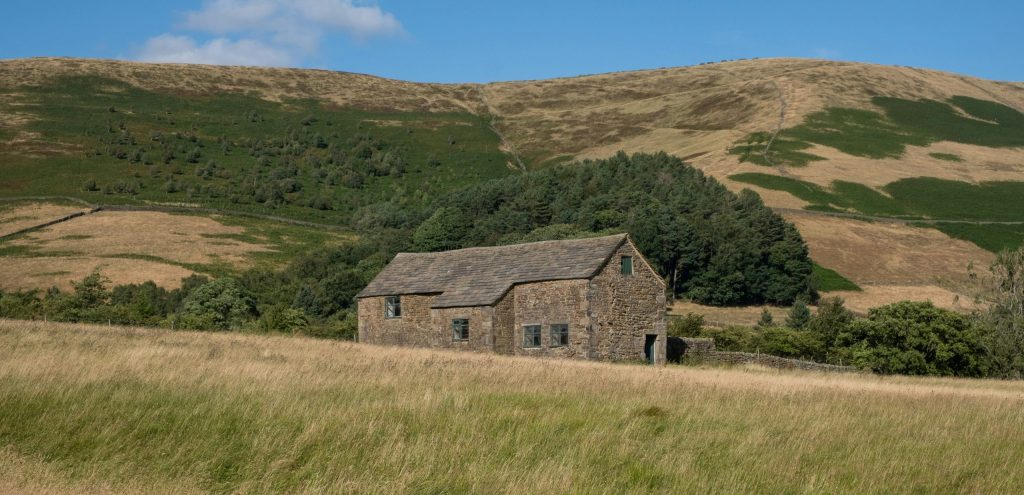
The short answer Permitted development is planning permission granted nationally, letting certain building works and changes of use go ahead without a full planning application. In England it can help an off-grid project with agricultural buildings, improvements to existing homes and solar equipment. It is not a general right to build a home or live […]
How to Check Whether Land Has Planning Potential in England
The short answer To check whether land in England has planning potential, start with the Local Planning Authority's website. Read the Local Plan, search the planning application history for the plot and its neighbours, and look for constraints such as Green Belt, National Parks, conservation areas and flood risk. Nothing guarantees planning permission, but this […]
Understanding Land Use Classes Before Buying Land for an Off-Grid Home
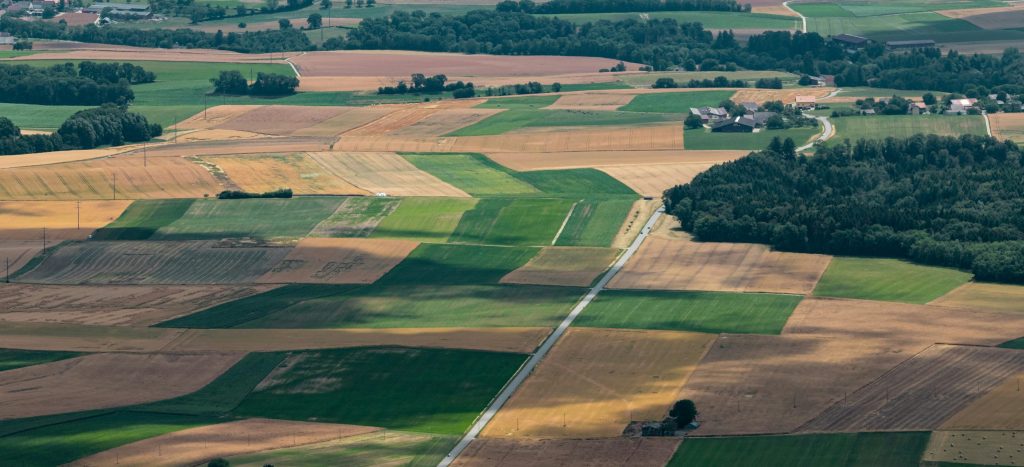
The short answer Land use classes are the planning system's categories for how land and buildings are used, such as agricultural, residential, commercial or forestry. Changing that use may need planning permission, and living on agricultural land usually counts as a change of use, even in an off-grid home. Residential land is often the simplest […]
One Off-Grid Acre: Is It Enough For Self-Sufficiency?
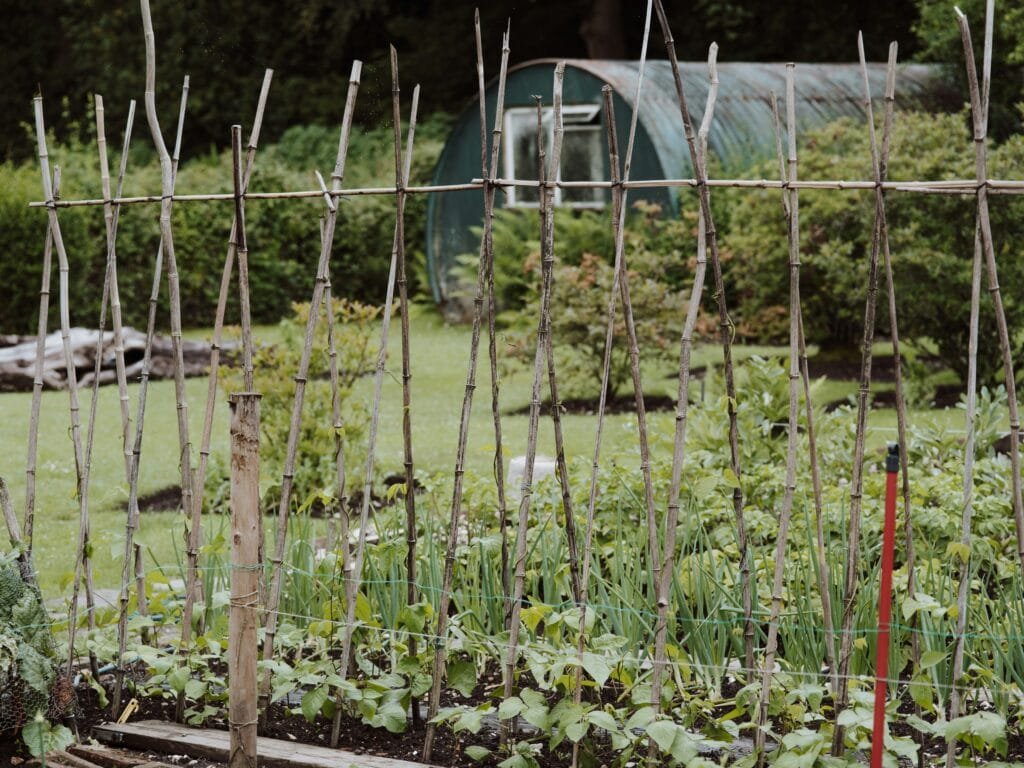
The short answer One acre of off-grid land, roughly 4,000 square metres, can support a home, energy and water systems, a large share of your vegetables, some fruit and eggs from chickens. It is unlikely to cover everything, because staple grains, large-scale meat production and year-round variety are harder to achieve. How far it goes […]
Alternative Off-Grid Homes: A Guide to Non-Traditional Housing

The short answer Alternative off-grid homes include tiny homes, converted shipping containers, yurts, adobe and strawbale houses, and Earthships. Each offers a different balance of cost, space, mobility and self-sufficiency. Tiny homes and yurts suit people who want to move, while an Earthship or adobe house is a more permanent build, and climate and local […]