

At a Glance
- Land is not all treated the same by the planning system.
- Finding a beautiful rural plot does not automatically mean you can build a home there.
- The existing use of land can affect what changes may be possible.
- Agricultural land is often cheaper, but comes with more planning challenges.
- Researching land use classes before buying your dream off-grid site can save you expensive mistakes later.
Finding land is often one of the most exciting parts of planning an off-grid lifestyle. It is easy to imagine the perfect plot: a few acres of countryside, a woodland edge, solar panels on the roof, a productive garden and a comfortable place to call home.
But before you start searching for your dream piece of land, there is one important thing to understand: not all land is equal when it comes to planning. Every piece of land already has an existing use, and that use can have a huge impact on what you may be able to do with it.
This is where understanding land use classes become important for your off-grid living plans.
What Are Land Use Classes?
Land use classes are essentially a way of categorising how land and buildings are used.
The planning system uses these categories to help decide whether a proposed change is suitable for a particular location.
For example, land might currently be used for:
- Agriculture
- Residential homes
- Commercial purposes
- Forestry
- Community use
If you want to change how land is used, you may need planning permission.
This is why buying a cheap field and assuming you can simply place a tiny home, converted vehicle or cabin on it can lead to problems. Owning land gives you ownership of that space, but it does not automatically give you permission to use it however you want.
Agricultural Land: The Most Common Off-Grid Dream
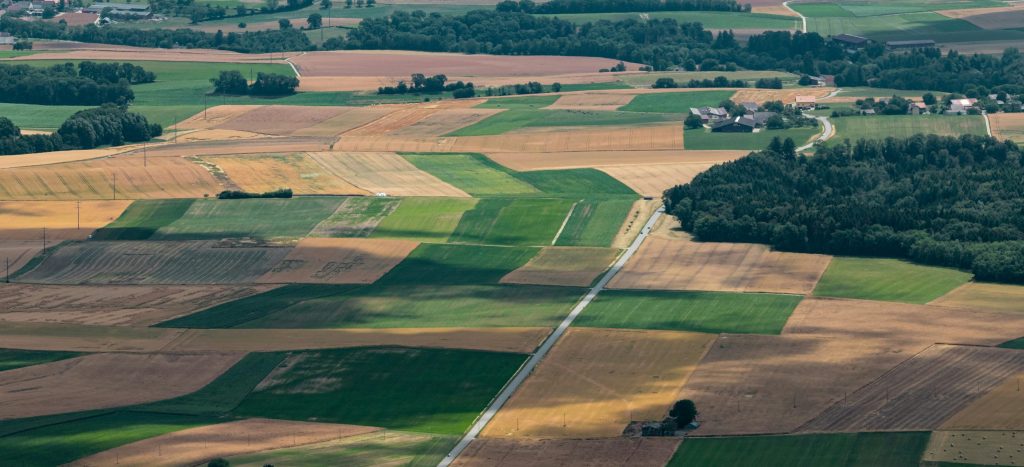
Agricultural land is probably what many people picture when they imagine an off-grid home.
It is often cheaper than residential plots and can offer the space needed for growing food, keeping animals or creating a more self-sufficient lifestyle.
However, there is an important distinction:
Agricultural land is intended for agricultural use, not residential use.
Living on agricultural land, even in an off-grid home, is usually considered a change of use.
This is where many people misunderstand the planning system. Being off-grid does not mean planning rules no longer apply. A home without mains electricity, water or sewage is still a home. A tiny house is still a dwelling. A converted vehicle used as permanent accommodation can still raise planning questions.
That does not mean creating an off-grid home on agricultural land is impossible. There are different routes that may be relevant depending on the circumstances, including proving an agricultural need, certain permitted development rights, or low-impact approaches in some areas.
However, it is important to understand the challenges before purchasing land.
Is Residential Land Better for an Off-Grid Home?
Residential land is often the simplest starting point because it already has an accepted residential use.
This means the biggest question, whether a home belongs there, has usually already been answered.
Benefits can include:
- Fewer concerns about changing land use
- Existing access and infrastructure
- A clearer route towards creating a home
However, residential plots are usually much more expensive, which is why many people look towards rural land instead.
It is also worth remembering that being residential does not mean you won’t still need planning permission. You’re off-grid plans will still need to be submitted to, and approved by, your local planning department.
What About Woodland and Paddocks?
Woodland is another popular choice for people dreaming of a more natural lifestyle.
It offers privacy, wildlife and a strong connection to nature. However, woodland can come with additional considerations, including biodiversity, protected trees and environmental impacts.
A secluded woodland setting does not automatically make it suitable for a home.
Paddocks can also seem appealing because they are often close to existing houses. However, many paddocks are still classed as agricultural land rather than residential garden space.
Being next to homes does not necessarily mean another home can be built there.
Could Brownfield Land Be a Better Option?
Brownfield land is generally land that has previously been developed or used.
It can sometimes offer opportunities because there may already be existing buildings, access or a history of development on the site.
However, brownfield does not automatically mean planning permission will be granted either. Issues such as contamination, access, local policies and environmental restrictions can still affect what is possible.
The key point is that previous use matters.
What Land Is Best for an Off-Grid Home?
There is no single perfect type of land for off-grid living.
The best plot is the one where your plans match what is realistically possible.
Generally, people looking to create an off-grid home should be looking for:
- Existing residential plots
- Land with existing buildings
- Brownfield opportunities
- Rural land with a strong planning case
The biggest mistake is falling in love with a cheap piece of land before understanding the restrictions attached to it.
For the complete government guidance on land use classes click here.
Final Thoughts
Buying land for an off-grid home is exciting, but try not to get ahead of yourself. Understanding land use classes gives you a much clearer idea of what questions to ask before committing your money to a new site for your off-grid home.
The cheapest land is not always the best opportunity. Sometimes paying more for a plot with fewer planning barriers can save years of frustration later. A little research before you buy could be the difference between owning a piece of land you can’t use, and actually being able to create the off-grid lifestyle you imagined.
To go back to the basics on UK planning permission, click here.
For an overview of the regulations elsewhere, read our guide to Navigating Off-Grid Regulations: A Global Perspective.