At a Glance
- In December, solar panels in the UK typically produce much less electricity than they do in June, and a week of heavy cloud can reduce generation further.
- Charging batteries in winter is a budget problem first: cut the load, move heavy jobs to midday, and keep the batteries above half.
- Steeper tilt, clean glass and no shade can improve your solar input, and the alternator or a generator covers the rest.
- Cold changes the batteries too, because lead-acid loses capacity and lithium won’t charge below freezing without a heater.
If you live in any kind of off-grid home, there’s a week in November when the panels seem to give up. The sun is low, the cloud sits for days, and charging batteries in winter turns from something that happens on its own into something you have to manage.
The figures below are for the UK. Further north, or somewhere cloudier, it’s worse, and further south it’s easier. The methods are the same anywhere, so check the winter sun hours for your own area and adjust the sums.
What Winter Does to Solar
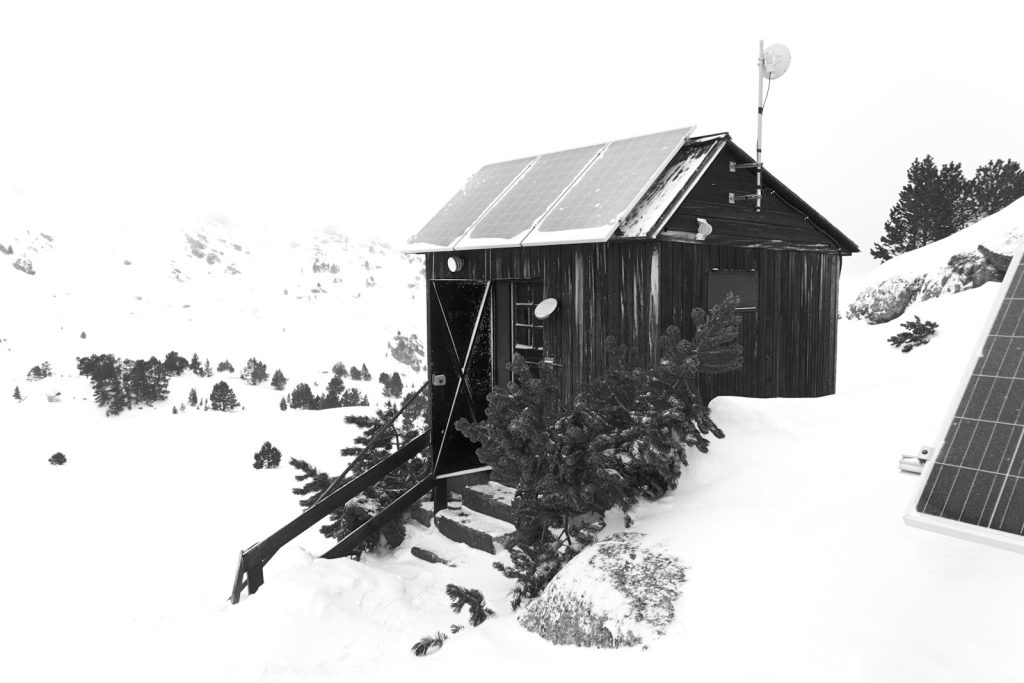
The days shrink to between six and eight hours in December, and the sun sits so low its light arrives at a shallow angle. Add cloud and solar radiation basically disappears. In the UK, a solar panel may generate only around a quarter as much electricity in December as it would in June, and a still, overcast week can reduce daily generation to very little.
At night the panels bring in nothing, and everything you run comes out of the battery, so the day’s charge has to cover the night’s use. That’s how off-grid solar in winter works at this latitude, and why no summer surplus helps you in January. The battery only holds a few days.
So plan your panels, batteries and backup around December, because a set-up that copes then will cope all year.
Charging Batteries in Winter
Start with an honest budget. Write down every load, multiply its wattage by the hours a day it runs, and add them up. Then work out what your panels produce on a poor December day, not an average one. The gap is what you have to close.
Before buying more panels or batteries, it’s worth seeing how much of the gap you can close by changing how and when you use power.
Tilt, Clean and Clear
A panel lying flat on a vehicle roof is ideal in June but poor in December, because the low sun skims across it. Tilting it to around 50 to 60 degrees in winter, or having one portable panel you can prop up facing south, can add a third or more on a clear day.
Keep the glass clean, because grime and leaves cost more than you’d guess. And watch the shade: a bare tree that was no trouble in summer can hide a low winter sun for half the day.
The Alternator Option
On a vehicle or a boat the alternator puts charge into the leisure bank whenever the engine runs, provided the two are actually connected. In practice that’s most useful if you’re moving anyway, because running the engine purely to charge can use more fuel than a generator would, depending on the vehicle or boat. An hour of engine can still put back what a whole grey day of solar would.
It works best with a DC-to-DC charger between the engine and a lithium bank, and on the canals it’s limited to daytime, because Canal & River Trust licence conditions ask you not to run an engine or generator between 8pm and 8am unless you’re moored out of earshot. The charging side is covered in our piece on how long a leisure battery will last.
When a Generator Earns Its Keep
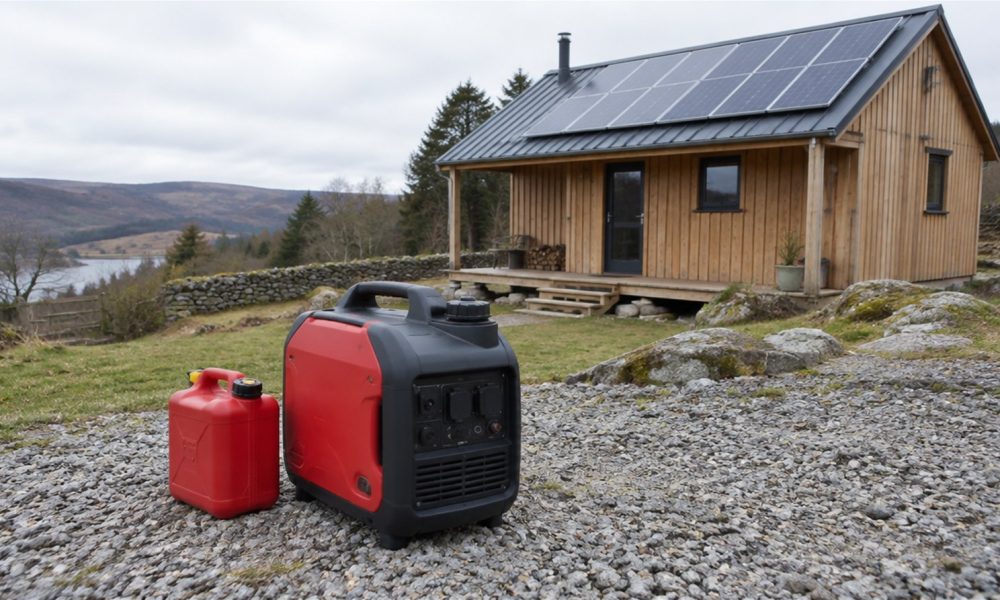
For a fixed house or cabin with no engine, a generator does the same job. It doesn’t need to run the home, only top up the batteries in a couple of hours on the days solar can’t, then sit quiet. Sized for the charger rather than the house, that’s usually a small inverter machine, and our piece on whether you still need a generator if you have solar has the sums.
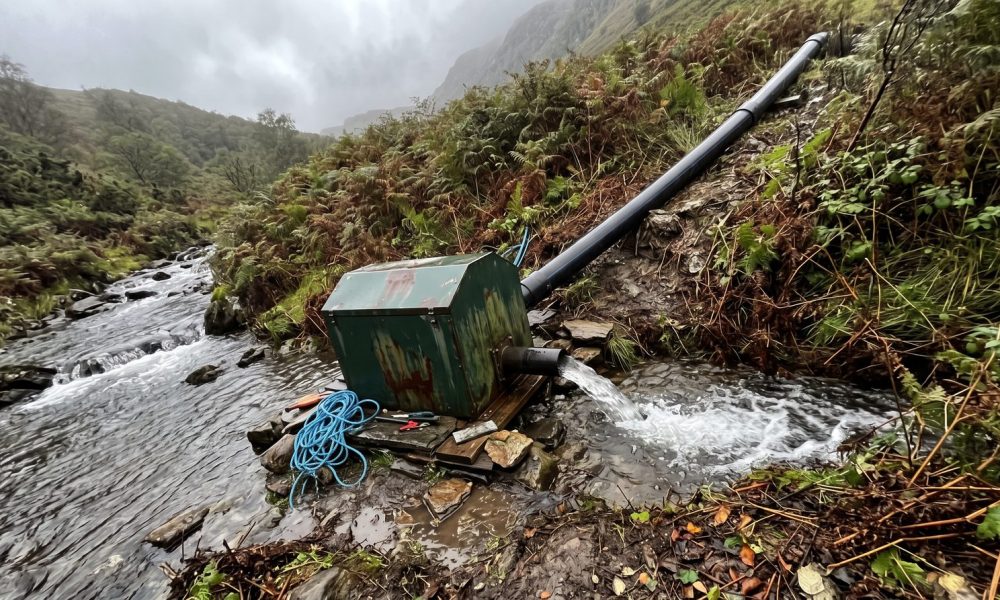
A wind turbine is the other winter option on an exposed site, because the windiest months are the darkest, and it charges at night. However, it depends on steady wind rather than the odd gust.
A generator should only be needed on the worst winter days, so if you’re running it every evening, it’s worth looking again at your panels or how much power you use.
Reducing Power Use
Using less is the option that costs nothing. Beyond the obvious, like LED lights, most of it is timing: charge phones at midday, and run the pump, the tools and anything with a heating element while the sun’s on the panels, so more of the load comes from the panels and less from the batteries.
The big wins are the things that shouldn’t be electric at all off-grid in winter. Heat comes from wood, diesel or gas, never a fan heater. A 12V or 24V compressor fridge is often the biggest steady draw, although it doesn’t have to work as hard in colder conditions, so it uses less in winter than in summer.
Looking After Cold Batteries
Winter is hard on batteries too. A lead-acid bank loses a slice of its capacity in the cold and needs the occasional full charge winter solar rarely gives, so a mains hook-up or generator run to 100 per cent every few weeks keeps it healthy.
A lithium battery keeps most of its capacity in the cold, but must not be charged below 0°C, and a good battery management system will refuse to. Buy one with a built-in heater, or keep the bank inside the heated space.
Final Thoughts
Getting through a UK winter on solar is all about arithmetic and habits, not a bigger system. Work out the December gap, close what you can by cutting loads and improving the panels, and use the engine or a generator for the rest.
For the wider picture on cold, damp and keeping warm, off-grid winter living covers everything that isn’t power.
If you’d like your winter set-up looked at by someone who does it for a living, off-grid solar and battery specialists are listed in our Business Catalogue.
To find out more about off-grid living return to our Reading Room.