

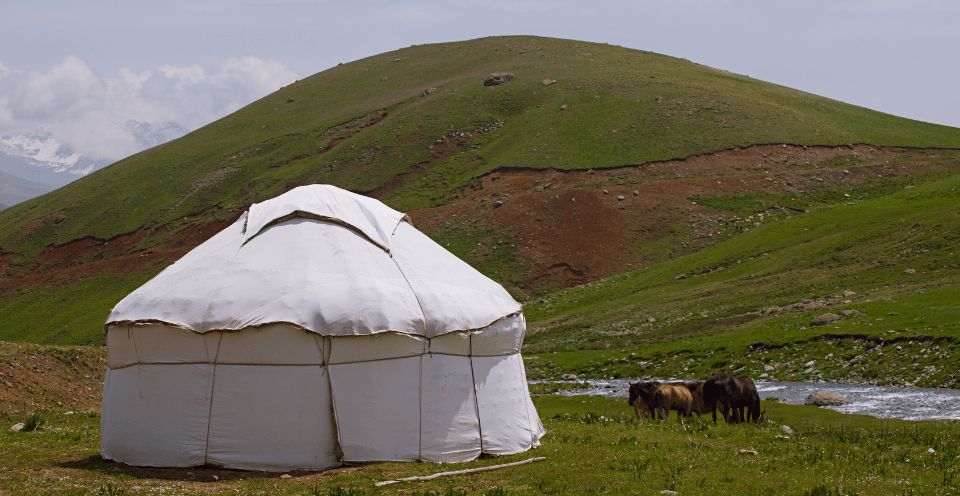
Is a Yurt, Shepherd’s Hut, or Shipping Container Best for UK Off-Grid Living?
For UK off-grid living, there is no single winner and so should you pick a Yurt, Shepherd’s Hut, or Shipping Container for UK Off-Grid Living? A yurt offers flexibility and a lighter-touch feel, a shepherd’s hut can provide a practical mobile home, while an insulated shipping container gives you a robust, permanent-feeling structure. The best choice depends on your planning position, insulation requirements, budget and whether you need a genuine year-round dwelling.
Looking for more practical advice on off-grid living and self-sufficiency? Explore the Homes Off Grid Reading Room for more guides, ideas and inspiration.
Structural Longevity and Weather Resistance in UK Climates
British weather is a serious consideration when choosing an off-grid structure. Yurts can cope with the UK climate when properly designed, maintained and protected, but their fabric construction requires more ongoing attention than a solid building.
A shepherd’s hut provides a stronger enclosed structure and can be moved, which makes it attractive for off-grid living or as a glamping dwelling. However, wheels do not automatically make a structure legally mobile or exempt from planning controls.
An insulated shipping container home has obvious structural strength and can offer excellent protection from wind and rain. The downside is that modifications, corrosion protection and external finishes can add considerably to the initial work and cost.
Insulation Ease and Damp Management
Insulation is particularly important for UK year-round living. A yurt’s lightweight construction means you need to think carefully about insulation, ventilation and condensation. Heating a large space can also become a significant energy demand during winter.
A shepherd’s hut can be insulated during construction, but its compact footprint means every design decision affects usable space. Good ventilation is essential to prevent moisture becoming trapped inside.
Shipping containers have a steel shell, which can create condensation problems if insulation and ventilation are poorly designed. A well-built container can be highly comfortable, but insulation should be treated as part of the core design rather than an afterthought.
Planning Permission Classification Differences (Mobile vs Permanent)
Planning is one of the biggest differences between these options. The fact that something can be moved does not automatically mean it is exempt from planning permission.
A yurt may be considered a temporary structure in some circumstances, while a shepherd’s hut may benefit from its mobile characteristics. However, the actual use, location, duration and relationship with the land all matter.
A container used as a dwelling is more likely to raise conventional planning questions because it is a substantial structure being used as a home. Anyone considering an off-grid site should speak to the relevant Local Planning Authority before buying land or committing to a structure.
Total Cost to Build/Purchase and Fit-Out
The headline purchase price can be misleading. The structure itself is only part of the cost.
• Yurt: potentially lower initial structural cost, but insulation, flooring, heating and weatherproofing still need budgeting.
• Shepherd’s hut: a purpose-built living space can reduce some conversion work, although high-quality builds can become expensive.
• Shipping container: the basic unit may appear inexpensive, but insulation, windows, doors, plumbing, electrical systems and internal finishing can quickly increase the final price.
Also budget for foundations or a suitable base, water, sanitation, power generation and ongoing maintenance.
Pros & Cons for Year-Round Dwelling
| Option | Main advantage | Main drawback |
| Yurt | Flexible and relatively lightweight | More exposed to UK weather and requires careful insulation |
| Shepherd’s hut | Mobile, compact and purpose-built | Limited internal space and not automatically planning-exempt |
| Shipping container | Strong, secure and highly adaptable | Condensation, insulation and conversion costs |
For a genuinely year-round dwelling, the best choice is the one that balances comfort, legal position and total project cost rather than simply the cheapest structure.
Practical Action Plan / Checklist
Before choosing:
• Check planning: Contact your Local Planning Authority about the proposed use and location.
• Calculate winter energy needs: Heating and hot water can dominate your power requirements.
• Plan insulation and ventilation together: Preventing damp is as important as retaining heat.
• Price the complete project: Include fit-out, utilities, foundations, heating and sanitation.
• Consider your intended use: A weekend retreat, glamping unit and permanent home can have very different requirements.
• Plan for maintenance: Fabric, timber and steel structures each have different long-term demands.
The right structure should fit the land, your legal position and the way you actually intend to live.
Frequently Asked Questions
Is a yurt suitable for year-round UK living?
Yes, with care. Good insulation, ventilation and heating are essential, particularly through a damp British winter. Yurts have also been used as homes by Mongolian nomads for thousands of years, including in much harsher conditions. It is also important to plan for ongoing fabric maintenance.
Is a shepherd’s hut exempt from planning permission?
Not automatically. Its mobility can be relevant, but the intended use, location and circumstances determine whether planning controls apply.
Are shipping containers good for off-grid homes?
They can be. Their steel construction is strong, but condensation, insulation, ventilation and conversion costs need careful consideration before they become comfortable homes.
Which is cheapest for off-grid living?
It depends. The cheapest structure to purchase is not necessarily the cheapest finished dwelling, so compare the complete project cost including insulation, fit-out, utilities and ongoing maintenance.