

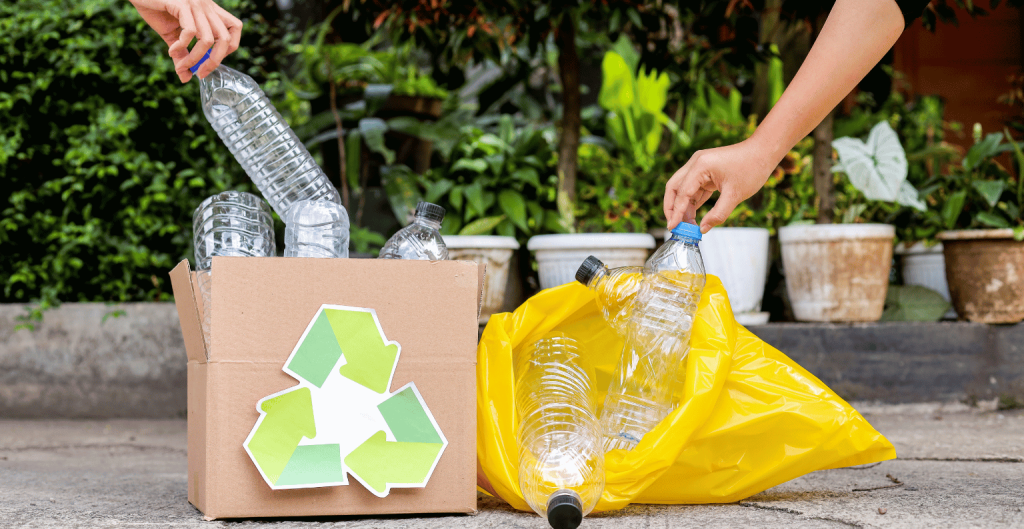
A workable off-grid waste system begins before rubbish reaches your property. Reduce packaging, separate materials immediately, compost suitable organic waste and plan regular legal disposal trips, remembering that local rules vary worldwide.
Looking for more practical advice on off-grid living and self-sufficiency? Explore the Homes Off Grid Reading Room for more guides, ideas and inspiration.
Zero-Waste Purchasing Strategies for Remote Living
The cheapest rubbish to manage is the rubbish you never bring home. Start with a one-month waste audit, then favour refills, concentrates, returnable packaging and durable products. Buying staples in bulk is great, but make sure you can keep them dry and pest-free, otherwise spoilage cancels the saving.
A zero waste homestead is a great aspiration, but it’s not absolute. It would be almost impossible to stop producing waste completely, especially with items such as medical packaging or damaged safety equipment.
Organic Waste Management: Composting, Bokashi, Feeding Livestock
Use a lidded bin or managed heap for plant scraps, coffee grounds and garden material. Mix roughly two or three parts dry “browns”, such as leaves or torn plain cardboard, with one part wet “greens”. Adjust if the pile smells or dries out. Composting reduces disposal volume but requires airflow, moisture and pest control, as the US EPA’s guidance explains.
Bokashi is a process which ferments food in an airtight bucket with inoculated bran. It suits small sites, but the fermented material must later be buried or composted. Check local animal by-product and waste rules. Feed livestock only approved, suitable food, never assume kitchen leftovers are lawful or safe.
Council Household Waste Recycling Centre (HWRC) Access Rules
Identify your nearest municipal depot, transfer station or civic amenity site before waste builds up. Check residency requirements, identification, bookings, opening days, vehicle permits, fees and accepted materials. Keep batteries, electricals, oil, paint and gas cylinders separate from ordinary rubbish.
In the UK, GOV.UK directs households to council recycling centres, permitted private sites or registered collection businesses. Individual household recycling centre rules may be stricter. Elsewhere, use the equivalent municipal authority and licensed waste operator.
Waste on the Move
Living off-grid in a campervan, truck or boat makes waste management harder because storage is limited and disposal points change as you travel. Use small, stackable containers or sturdy bags, empty them often and check access before setting off. Some recycling centres don’t accept pedestrians, while others restrict tall vehicles or require permits. Plan disposal stops into your route rather than assuming the next site will admit you or your vehicle.
Safe Burning vs Recycling Packaging (Clean Air Act Rules)
Do not burn plastics, rubber, foil-lined cartons, treated wood, paint, electronics or mixed household rubbish. Open waste burning can release particulates and toxic compounds, according to the World Health Organization, even where enforcement is limited.
Understanding the do’s and don’ts of burning rubbish in the UK involves more than just reviewing the Clean Air Act. UK guidance says household waste must not be burned where it causes pollution or harms health, while local smoke-control, nuisance and fire rules may also apply. Government advice recommends composting or recycling instead. Globally, check local waste law and seasonal fire restrictions before burning even clean vegetation.
Storing Waste Safely Away from Wildlife and Vermin
Use rigid, washable bins with tight lids and lockable clips. Keep them shaded, off bare soil and away from water sources and sleeping areas. Scrape clean and air-dry any containers you are recycling, rather than spending scarce water getting them spotless.
Remove food residues promptly and never leave bags outside a secure bin. Store hazardous items upright in labelled containers, protected from children, animals and weather.
Practical Action Plan / Checklist
- Audit one month of waste and remove avoidable packaging.
- Set up labelled containers for recyclables, compostables, hazardous waste and residual rubbish.
- Confirm local collection or depot rules before your first trip.
- Fix lids, leaks and pest access immediately.
- Schedule disposal runs alongside existing journeys.
- Review the system each season as heat, wildlife and access change.
Frequently Asked Questions
Can I burn household waste when living off-grid?
Usually, no. It can release harmful pollutants and is prohibited or restricted in many places. Check local waste and fire law rather than treating remoteness as permission.
How often should stored rubbish be removed?
Fortnightly or monthly. The right interval depends on heat, wildlife and bin capacity. Food-contaminated waste needs faster removal than clean, dry recyclables.
Is bokashi suitable for a small off-grid home?
Yes, with care. It is compact and relatively low-odour when properly sealed. You still need a lawful, practical destination for the fermented material.
Will municipal recycling sites accept off-grid household waste?
Often, conditionally. Some require proof of residence, bookings or vehicle permits, and may charge for certain materials. Check before loading the vehicle.