

At a Glance
- Aquaponics, hydroponics, and aeroponics are all soil-free crop-growing methods that could benefit your off-grid setup.
- Aquaponics combines fish and plants, using nutrients from fish waste to grow crops.
- Hydroponics grows plants in a nutrient-rich water solution instead of soil.
- Aeroponics grows plants with their roots suspended in the air and supplied with a nutrient-rich mist.
- All three can make efficient use of water and space, but none are completely maintenance-free, and electricity requirements are an important consideration for an off-grid setup.
If you’re interested in growing more of your own food off-grid, you might have come across terms like aquaponics, hydroponics and aeroponics. They all offer ways to grow plants without traditional soil-based methods, but they work in quite different ways.
They can also be useful where growing space, good soil or water is limited. But before investing in pumps, tanks and growing equipment, it’s worth understanding what each system actually involves.
So, what’s the difference between aquaponics vs hydroponics vs aeroponics, and could one of them work for your off-grid home?
What Are Aquaponics, Hydroponics and Aeroponics?
Although the three systems have similarities, the biggest difference is where the plants get their nutrients.
Aquaponics
Aquaponics combines fish farming and plant growing into one system. Fish produce waste, which is broken down by bacteria into nutrients that plants can use. The plants then help filter the water before it is returned to the fish.
In theory, this creates a small, recirculating ecosystem where the waste from one part of the system becomes a resource for another.
The downside is that you’re not simply growing plants. You’re also keeping fish alive, which adds another layer of responsibility and equipment.
Hydroponics
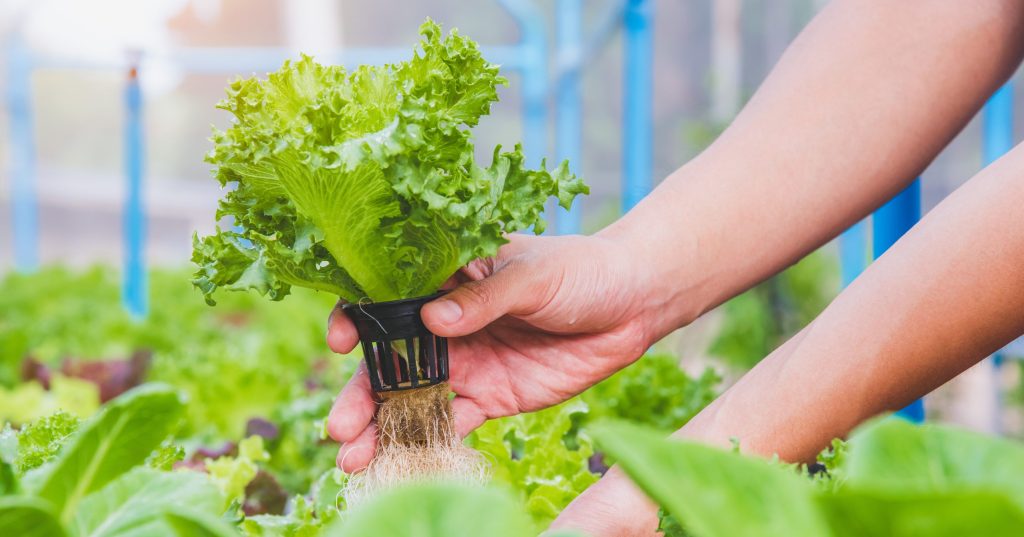
Hydroponics is arguably much simpler. Instead of soil, plant roots sit in an inert material or are submerged in water and directly receive the nutrients they need to grow.
There are many different types of hydroponic systems, from relatively simple setups to much more sophisticated commercial arrangements.
For an off-grid grower, one of the attractions is flexibility. You don’t need to introduce fish, and you can choose a system that suits the amount of space and equipment you have available.
Aeroponics
Aeroponics takes the idea a step further. Rather than sitting in soil or being submerged in water, the plant roots are suspended in the air and regularly sprayed with a fine nutrient-rich mist.
This can use very little water because the system delivers moisture directly to the roots.
However, that efficiency comes with greater dependence on equipment. If the pump or misting system stops working, the plants can quickly be affected.
Aquaponics vs Hydroponics vs Aeroponics: What’s the Difference?
The easiest way to compare them is to look at what each system needs and what it gives you in return.
| Aquaponics | Hydroponics | Aeroponics | |
| Soil needed | No | No | No |
| Main input | Fish + feed | Nutrients | Nutrients |
| Water use | Low/moderate | Low | Very low |
| Electricity | Moderate | Low–moderate | Moderate–high |
| Complexity | Higher | Moderate | Higher |
| Space required | Moderate | Low–moderate | Low |
| Maintenance | Higher | Moderate | Higher |
| Power failure risk | Significant | Varies | High |
| Best suited to | Larger/self-sufficient systems | Flexible food growing | Intensive growing |
There is plenty of variation within each category, so these are broad comparisons rather than hard rules.
Which Could Work for an Off-Grid Home?
This is where things get more interesting. A growing system that looks extremely efficient on paper isn’t necessarily the best option for an off-grid home.
Water is one consideration. All three systems can reduce water use compared with conventional gardening because water can be circulated rather than repeatedly soaking into the ground. Aeroponics can be particularly economical with water, although actual usage depends on the system.
Electricity matters too. Pumps, aerators, timers and other equipment all use power. If you’re running from solar, you need to consider whether you can comfortably supply that electricity throughout the year. Adding artificial grow lights can also increase the demand considerably.
Then there’s the complexity. An aquaponics system introduces fish and water quality management. Hydroponics requires you to provide the right nutrients. Aeroponics relies more heavily on pumps and misting equipment.
None of these things make a system unsuitable for off-grid living. They simply need to be part of the calculation.
Reliability is worth considering as well. What happens when your batteries are depleted after several days of poor weather? What happens if a pump fails?
A traditional vegetable garden might stop growing for a while. A system that relies on continuous circulation or misting could have a much more immediate problem.
So Which One Should You Choose?
There isn’t a universal winner in the aquaponics vs hydroponics vs aeroponics debate.
The right choice depends on what you have available and what you actually want from your growing system.
If you have space, like the idea of raising fish and want a more integrated system, aquaponics could be interesting. If you want to grow plants without soil but don’t want the additional complexity of fish, hydroponics may be worth investigating. And if saving water and making intensive use of a small growing area are priorities, aeroponics could be an option.
But there’s another question worth asking: do you actually need a soilless growing system?
For some off-grid properties, growing vegetables in a conventional garden, greenhouse or polytunnel will be cheaper, simpler and easier to maintain. These alternative systems become most interesting where land, soil, water or growing space is limited.
The Bottom Line
Aquaponics, hydroponics and aeroponics all provide interesting ways to grow food without relying on conventional methods.
Aquaponics uses fish waste, hydroponics uses nutrient-rich water, and aeroponics uses nutrient-filled mist applied to suspended roots.
For off-grid living, the most important question isn’t which system is technically the most impressive or productive. It’s which one fits your available water, electricity, space, budget, and willingness to maintain it.
And sometimes, the simplest solution really is the best one.
If you want to go back to basics for growing your own food, check out this article on Self-Sufficient Gardening for Off-Grid Living.
Looking for more practical advice on off-grid living and self-sufficiency? Explore the Homes Off Grid Reading Room for more guides, ideas, and project inspiration.